Wax, Tape, and Chiptune: Inside the Collector Economy of Asian Indie Soundtracks
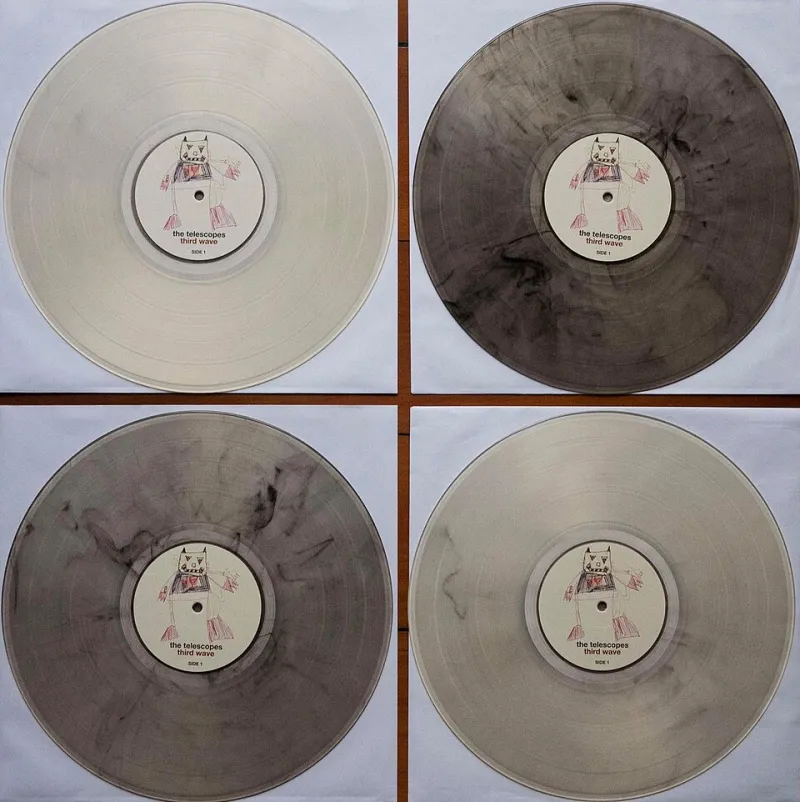
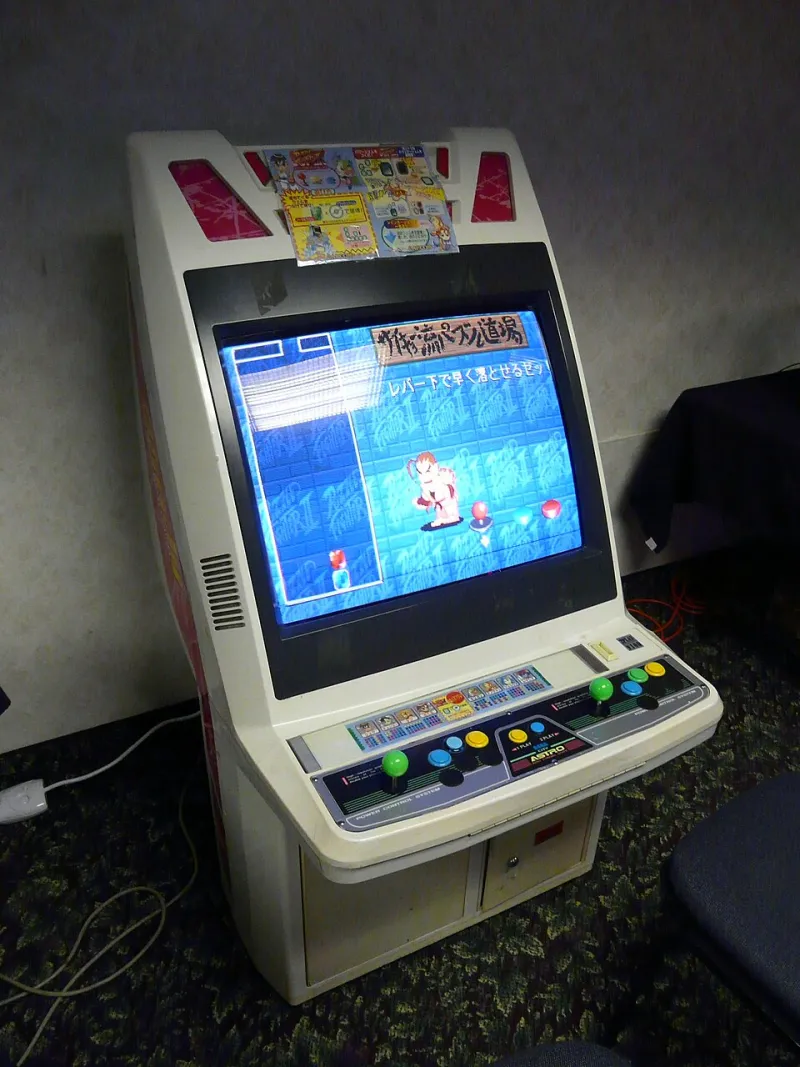
Photo: NEXUS6N6MAA10816, CC BY-SA 4.0, via Wikimedia Commons
Here's a small oddity of the current market: there are East Asian indie games with a few thousand Steam reviews whose soundtrack vinyl sold out in under a day. The music has escaped the game. In some corners of the collector scene, the composer's name on the sleeve does more work than the title it came from.
That's not a fluke. It's the predictable result of three things colliding — a genuine golden age of game composition, a vinyl pressing industry built for limited runs, and a fan culture that treats a soundtrack as a standalone object rather than a bonus disc.
Why the Sleeve Outranks the Game
Soundtrack collecting used to be an accessory market. You bought the CD because you loved the game. Now a meaningful slice of buyers arrive from the other direction: they heard a track in a trailer, found the Bandcamp page, and picked up the album without ever installing the thing.
Composers benefit from this more than anyone. A game's marketing budget might be zero, but a well-mastered track can travel through a playlist, a stream intro, or a short clip in ways a trailer never does. For a small Japanese or Korean studio, a composer with an audience is the cheapest marketing channel they'll ever get.
The catalog reflects it. The orchestral and piano-led work coming out of Korean studios has found a second life on wax, and the MONACA-adjacent sound that defined a certain era of Japanese action games has become its own collector category. Meanwhile the indie side leans harder into synth, lo-fi, and jazz-inflected loops — the kind of music that sounds right at 33 RPM on a cheap turntable in a small apartment.
The Labels Doing the Heavy Lifting
A handful of names keep showing up on the spines. Brave Wave Productions has been one of the more consistent bridges between Japanese composers and Western vinyl buyers, with a track record of clean pressings and honest liner notes. Ship to Shore PhonoCo. has built a reputation on archival care — the kind of label that hunts down the original masters instead of sourcing from a compressed in-game mix. Limited Run Games and iam8bit handle a lot of the larger indie tie-ins, while Fangamer and Laced Records catch a fair amount of the mid-tier catalog.
On the Asian side, Japanese record shops have become genuine retail channels rather than tourist stops, and Korean and Taiwanese labels increasingly press locally before exporting. That matters for quality: a regional pressing cut with the composer's involvement tends to sound better than a licensed afterthought rushed to a Western plant.
Cassettes deserve their own paragraph. They're cheap to make, deeply on-brand for retro-styled games, and they sell in tiny runs that create exactly the scarcity that drives a collector market. Several Southeast Asian indie teams have used cassette drops as a low-risk first merch run, and the format's deliberate lo-fi character fits chiptune and dungeon-synth work far better than it fits a symphonic score.
The Import Math
US buyers routinely pay $45 to $70 all-in for a single import LP, and they do it knowingly. The breakdown is unglamorous: base price, overseas shipping, proxy service fees if the shop won't ship internationally, and the occasional customs bill. Spine damage in transit is common enough that serious collectors pay extra for a boxed shipping tier.
What justifies the spend is the resale floor. A limited pressing from a label with a real catalog tends to hold value even if the game fades, because the buyer pool includes music collectors who never played it. That dual demand is why a 500-unit pressing can quadruple on the secondary market while the digital album still sits at name-your-price.
And yes, the flippers have noticed. Expect pre-order bots on anything announced as limited, and expect the resale listings to go live before the pressing even ships.
Spotting a Keeper Before It Sells Out
A short field guide for anyone new to this:
Check what's actually on the record. "Original soundtrack" means the in-game cues. "Arranged album" means reinterpretations. "Sound collection" is a marketing phrase that could mean either. Read the tracklist before you commit.
Look for a mastering credit. A pressing cut from original masters by someone who cares is worth twice one dumped from the game files. If the sleeve lists no mastering engineer, assume the worst.
Check the run size and the repress policy. A label that says "one-time pressing" usually means it. A label that stays quiet is telling you a repress is possible, which means you can wait.
Buy the digital first. Bandcamp lets you sample the entire album for free. If the music doesn't hold up outside the game, the vinyl won't fix that.
Watch the composer's own channels. Direct announcements from a composer's social account beat retailer listings by days, and that's often the difference between retail price and a 3x markup.
Don't chase the grail on day one. Give it two weeks. Some of the panic pricing settles once the pressing ships and the speculators realize the buyer pool is smaller than their storage unit.
The Bottom Line
The soundtrack market around Asian indie games is doing what the games themselves struggle to do: turning a small, devoted audience into sustainable revenue. For composers, that's leverage. For studios, it's a merch line that costs almost nothing to produce. For US buyers, it's a very expensive hobby with genuinely excellent music at the bottom of it.