Learning Japanese for the Game: How American Streamers Are Cracking Asia's Untranslated Vault
There's a specific kind of frustration that East Asian gaming fans in the US know intimately. You find a game — maybe through a forum rabbit hole, maybe a clipped moment on social media — and it looks absolutely incredible. The art is striking, the mechanics seem fresh, the community around it is clearly passionate. Then you go looking for an English version and find nothing. No localization announcement. No fan patch. Just a wall of kanji and the quiet implication that this one wasn't made for you.
For most people, that's where the story ends. But for a growing slice of the American streaming community, it's apparently where things get interesting.
The Language Barrier as a Starting Gun
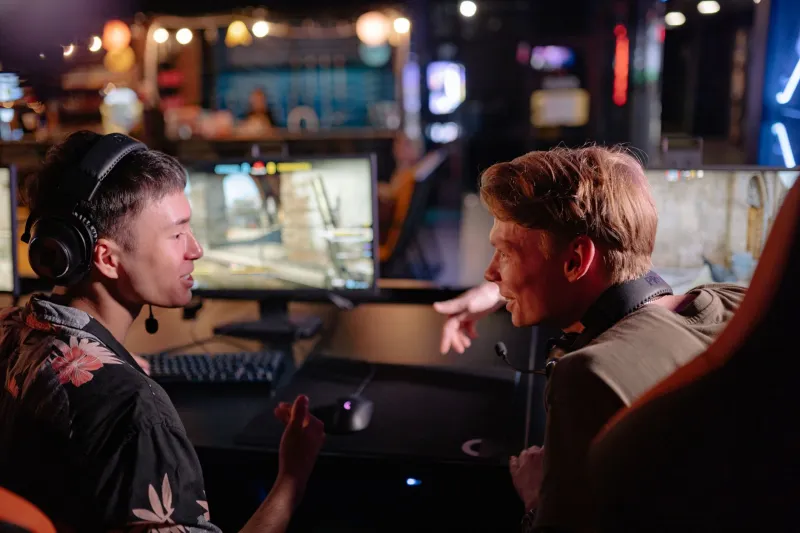
Over the past few years, a loose but unmistakable trend has been building on Twitch and YouTube. Western content creators — some with substantial followings, others grinding from smaller channels — have started streaming untranslated Japanese, Korean, and Chinese games. Not with translation patches. Not with a bilingual friend off-screen. With actual, painstakingly self-taught language skills, or in some cases, a very honest "I'm figuring this out live" approach that their audiences seem to love.
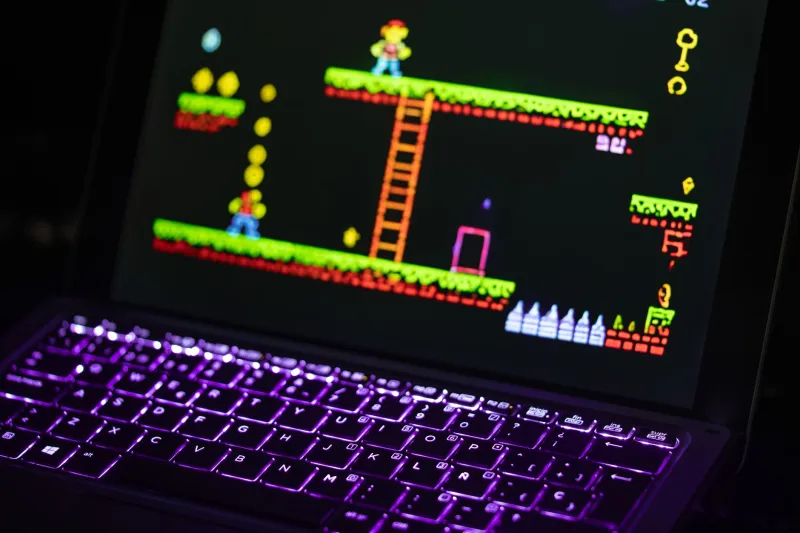
The games pulling people in vary wildly. Doujin RPGs from Comiket that never got English releases. Visual novels that Japanese players consider classics but that US audiences have barely heard of. Tactical games with mechanics that feel genuinely novel compared to what's on Western storefronts. The common thread isn't genre — it's quality, and the fact that no official path to playing them in English exists.
Tyler Marsh, who streams under the handle "Kanden_plays" and has been building a following around untranslated Japanese indie content for about two years, describes his entry point as almost accidental. "I kept seeing clips of this one RPG Maker game in Japanese Discord servers I was in for a different game entirely," he says. "Nobody could tell me what it was saying. I couldn't find a translation. I just got obsessed enough that I started actually studying."
He stresses that he's not fluent — far from it. But his streams have developed a format where he narrates his best-effort translations in real time, corrects himself, and lets his chat fill in gaps. "It's become its own thing," he says. "People watch partly for the game and partly because it's genuinely kind of educational. We're all learning together."
The Games That Started It
Ask around in these streaming circles and a few titles come up repeatedly as the ones that pushed creators over the edge into actually studying. Certain entries in Japan's doujin visual novel space, tactical games from smaller Korean studios that never secured a Western publishing deal, and a cluster of Chinese indie titles that have strong reputations domestically but essentially zero English-language presence.
What's notable is that these aren't obscure for being bad. Many are considered genuinely excellent by players who can access them. The obscurity is almost entirely a market access problem — small studios without localization budgets, niche genres that publishers have historically considered too risky for Western release, or simply content that got buried under the assumption that English-speaking audiences wouldn't seek it out.
The streamers cracking into this space are essentially proving that assumption wrong, one broadcast at a time.
"The game that broke me was a tactics RPG that a Japanese indie dev released on DLsite," says one creator who asked to remain anonymous because they're still early in building their channel. "I watched someone else try to play it without understanding anything and I could just tell — even through the confusion — that the systems were incredible. I spent six months doing Anki flashcards before I went back to it."
Grassroots Localization by Accident
Here's where the industry analysis gets genuinely interesting. These streams are functioning as a kind of informal, distributed localization effort — not through fan translation patches, but through the act of streaming itself. When a creator plays through an untranslated game and narrates their understanding of the story, explains mechanics, and reacts to the content in real time, they're producing something that functions like a guided translation experience for their audience.
Viewers who couldn't access these games at all now have a way in. And critically, clips from these streams spread. A moment from an untranslated Japanese horror game, captioned and posted to social media by a viewer, can introduce that game to thousands of people who had never heard of it. The title gains a Western profile it never would have had through official channels.
This has already produced visible results in a handful of cases. Games that got zero English-language coverage on launch have shown up on Steam wishlists in noticeable numbers after streaming exposure. A few developers have reportedly reached out to fan translators after noticing the uptick in Western attention, suggesting the streaming activity is registering on their end.
Jessica "Fujin_Plays" Kowalski, who has been streaming untranslated content for three years and has developed a genuine working knowledge of Japanese in the process, thinks developers are starting to connect the dots. "I've had two devs DM me directly after streams," she says. "One was just happy someone was playing their game. The other actually asked me if I knew anyone who could help with an English patch. That felt huge."
The Limits of the Model
It would be easy to romanticize this and call it a solved problem, but it's not. The streamers doing this work are operating without compensation, often working with incomplete language skills, and occasionally getting things genuinely wrong — misreading a plot point, mistranslating a character's motivation. The games themselves can suffer from that, and developers don't always have a say in how their work gets represented.
There's also the sustainability question. Learning a language to play games is a real commitment, and the creators doing it are the exception, not the rule. For every streamer who went deep enough on Japanese to navigate untranslated content, there are dozens of potential players who hit the same wall and just moved on.
And the bigger structural problem — that small East Asian indie studios often can't afford localization and don't have access to Western publishers willing to take a chance on niche titles — doesn't go away because a few determined streamers found a workaround.
What It Tells Us About Demand
But here's what this trend does prove, pretty clearly: the demand is there. American audiences will follow content creators into untranslated games. They will watch hours of gameplay they can't directly understand if someone is willing to be their guide. They will wishlist, share, and talk about games that have no English release if the content is compelling enough.
That's useful information for anyone paying attention — publishers, localization studios, platform holders, and the indie developers sitting on games that the Western market has never had a real shot at.
The streamers learning Japanese to play these games aren't trying to fix the industry. They're just chasing the games they want to play. But the trail they're leaving behind might be the most honest market research the East Asian indie space has ever accidentally produced.